The United States has clarified the terms for imposing an annual fee of $100,000 on work visas widely used in the technology sector, following concerns expressed, particularly by India and the companies that may be affected.
H-1B visas allow foreigners with specific skills, such as scientists, engineers, and computer programmers, to come and work in the United States. These work permits are for an initial period of three years, extendable to six years for foreigners sponsored by an employer.
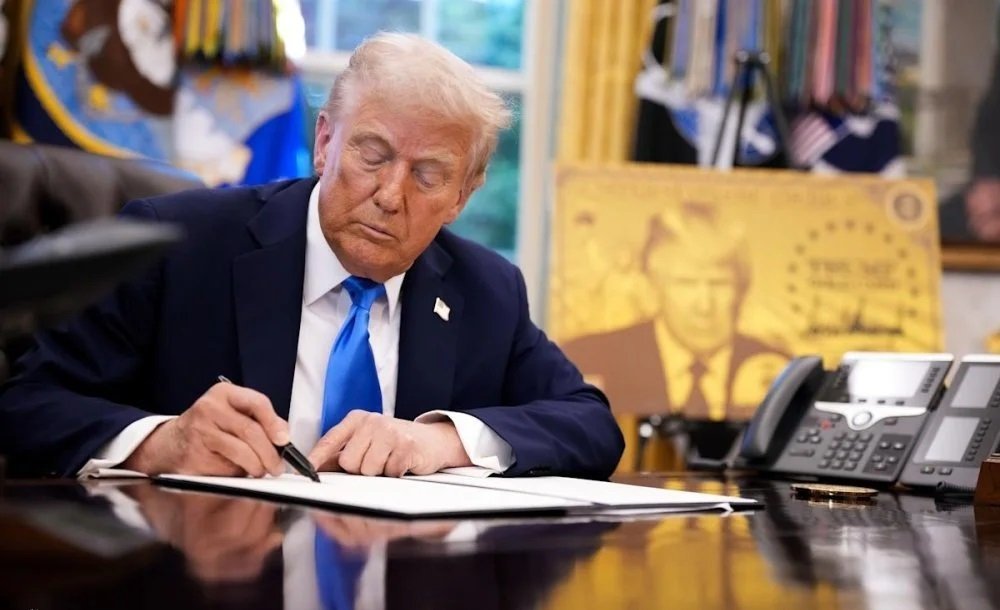
US President Donald Trump announced the measure and signed an executive order creating a $1 million "golden" residency card, a reference to the popular "green card" that allows residents to reside and work in the United States.
Meanwhile, the Indian Ministry of Foreign Affairs expressed concern about the "humanitarian consequences" of this measure "given the disruption" to "families," and "hoped" that the US authorities would "appropriately address it."
It emphasized that talent migration has contributed to "technological development, innovation, and economic growth" in both India and the United States.
Nasscom, India's leading professional association, expressed "concern" about the potential consequences for the "continuity" of some projects.
It also expressed concern about the short one-day deadline for the measure to take effect, stressing in a statement that it "creates uncertainty for businesses, professionals, and students around the world."
Washington sets conditions for imposing a $100,000 annual fee on technology sector visas.