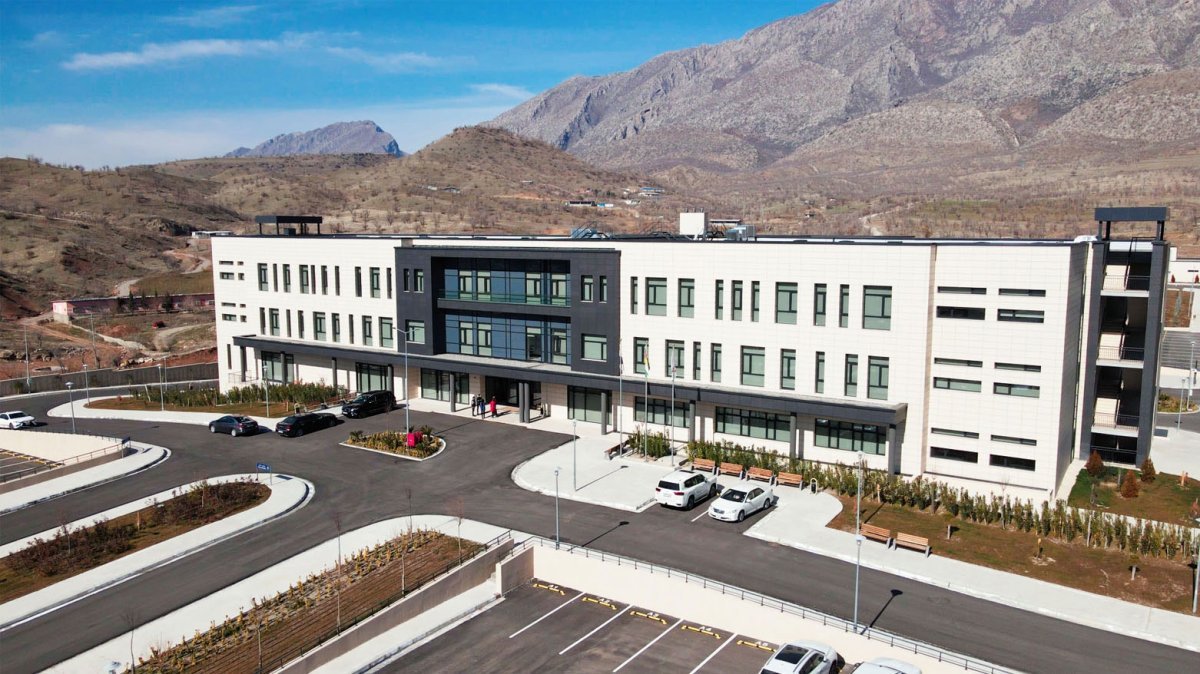
Over the past five years, the ninth Kurdistan Regional Government (KRG) has placed great emphasis on strengthening the health sector's infrastructure, establishing 67 advanced hospitals in various regions of the region.
Given the strength of the Kurdistan Region's health system, citizens of central and southern Iraq turn to its hospitals for treatment.
Providing the necessary medicines, tests, and diagnostic equipment is part of ensuring the provision of health services to citizens and is also one of the KRG's stated goals for strengthening its health infrastructure.
Good health is one of the 17 Sustainable Development Goals of the United Nations, and the region has been largely successful in achieving this goal.
Over the past five years, despite the financial crisis, which was a major obstacle, huge sums have been invested in the health sector. 35 health projects were implemented at a cost of $372 million and 221 thousand, and 67 advanced hospitals were built in various regions of the region.
During the same economic crisis, 31 health and specialized centers, and eight new hospitals and cancer treatment centers were established, providing all required medications and tests free of charge and without discrimination.
In this context, two new hospitals are currently being built, and work has begun to reactivate a special fund for people with special needs, in addition to providing full free services to thalassemia patients.
Not only Kurdish citizens receive treatment in the region's hospitals, but also citizens from central and southern Iraq.
A resident from Baghdad who received treatment in a Kurdistan Region hospital told Kurdistan 24: "Patients from Baghdad, Ramadi, Diwaniyah, and all areas of Iraq come to the region for treatment. Although the cost of treatment is high, the services provided here reassure us. We feel very comfortable in Kurdistan and its hospitals."
As part of regulating the prices and quality of medicines across the private sector, the regional government has specifically worked to ensure trust in medicines. All medications given to patients in hospitals bear a special label, allowing citizens to verify the type, quality, and price of the medication.
The monthly expenditure of the Ministry of Health in the Kurdistan Region amounts to approximately 24 billion dinars, while 7,871 doctors and 22,147 nurses provide health services to more than six million citizens.
Kurdistan Region hospitals receive approximately 11,147 patients daily. Despite the significant pressure, the health sector in the region continues to develop and progress.
Despite the economic crisis, the Kurdistan Regional Government is strengthening the region's health sector.